
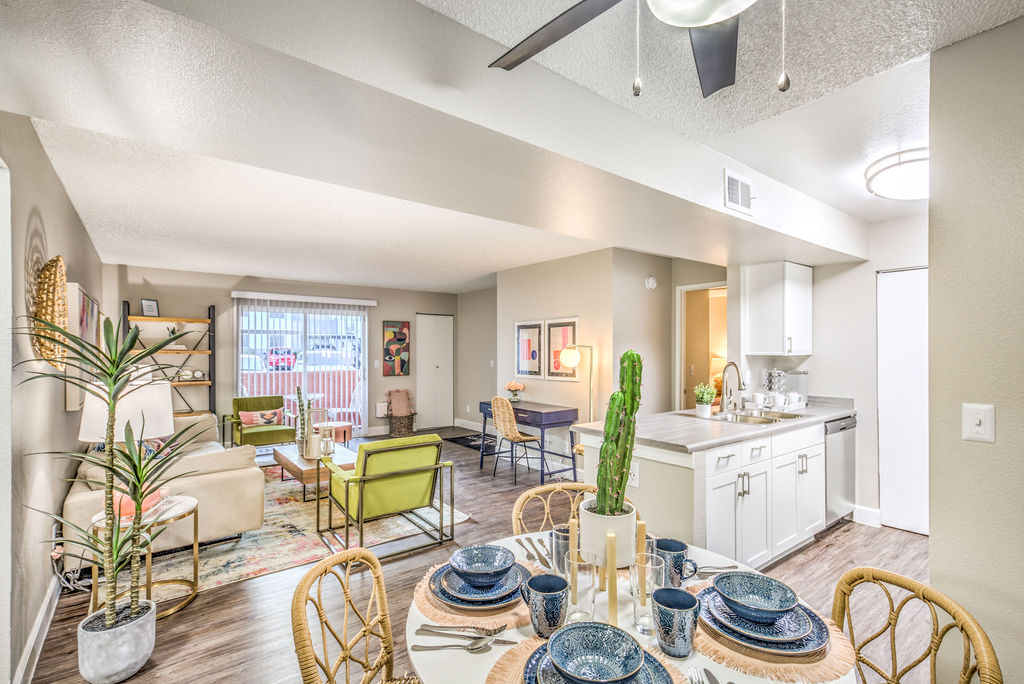
Launching your first multifamily construction project is a major milestone—and one that carries meaningful financial, operational, and reputational risk. Unlike single-family construction, multifamily projects involve shared building systems, higher capital exposure, multiple stakeholders, and long-term operational considerations. Early decisions directly impact schedule, cost, and asset performance.
A disciplined construction management approach provides the structure and oversight needed to turn an initial concept into a well-executed, high-performing property.
Understanding Multifamily Construction Management
Multifamily construction blends residential design with commercial-scale systems. Each project must balance unit-level finishes with building-wide infrastructure, life-safety compliance, utility integration, amenities, and future maintenance requirements.
Successful management begins well before construction starts. Defining scope, validating budgets, coordinating design, and establishing clear communication protocols early reduces downstream risk and prevents costly redesigns or delays.
Step-by-Step Management Guide for Multifamily Construction
Project Initiation and Feasibility Validation
Clearly define project objectives, target tenant profile, budget parameters, and return expectations. Feasibility analysis should address site conditions, zoning, regulatory requirements, environmental constraints, and financial viability. Many first-time multifamily projects encounter overruns due to insufficient upfront validation.
Establish Budget Controls and Secure Financing
Multifamily projects require comprehensive financial planning. In addition to hard construction costs, budgets must account for soft costs, contingencies, escalation, amenities, and long-term system performance. A detailed pro forma aligned with lenders and investors sets the financial framework for the project.
Design and Documentation Development
This phase converts vision into coordinated construction documents. Architectural, structural, MEP, and amenity plans must align to avoid field conflicts. Special attention should be given to shared systems such as HVAC, fire/life safety, utilities, energy performance, and long-term maintenance considerations.
Pre-Construction Planning and Scheduling
Once design is established, develop a detailed construction schedule that maps sequencing, phasing, and labor requirements. Multifamily projects benefit from granular scheduling that accounts for unit turnover, building phasing, and common-area coordination.
Procurement Strategy and Contractor Alignment
Early procurement planning helps mitigate material shortages, price volatility, and schedule disruptions. Contractors and vendors should be aligned on scope, quality standards, documentation requirements, and schedule expectations before work begins.
Construction Execution and Site Management
During construction, consistent oversight is essential. Construction management focuses on:
- Tracking daily progress
- Monitoring budget versus actuals
- Verifying workmanship and material quality
- Enforcing safety and compliance standards
Clear communication between the field and the office protects schedule and cost control.
Quality Control and Punch-List Management
Quality assurance is continuous throughout the project. Regular inspections of units, common areas, and exterior scopes ensure work aligns with approved plans and specifications, reducing rework and closeout delays.
Handover, Closeout, and Owner Orientation
A successful handover supports efficient long-term operations. This includes delivery of as-built drawings, warranties, equipment manuals, inspection reports, and compliance documentation—ensuring the owner is positioned for smooth operations and maintenance.
Post-Construction Support
Construction management does not end at substantial completion. Ongoing support may include warranty coordination, system performance reviews, and post-occupancy evaluations to protect asset value and operational efficiency.
Why First-Time Multifamily Developers Must Prioritize Technology and Tracking
Multifamily projects involve numerous units, shared systems, and multiple stakeholders. Technology-driven construction management provides real-time visibility into budgets, schedules, documentation, and field progress. For first-time developers, this transparency reduces uncertainty, improves decision-making, and protects financial outcomes.
Your first multifamily project sets the foundation for future growth. Partnering with an experienced construction management firm provides the leadership, systems, and accountability needed to deliver a successful asset.
At SD-Cap Construction Management, LLC, we guide owners through every phase of multifamily construction—combining disciplined oversight, technology-driven tracking, and proven execution to help first-time developers build with confidence.